Discover Gohan Japanese Cuisine
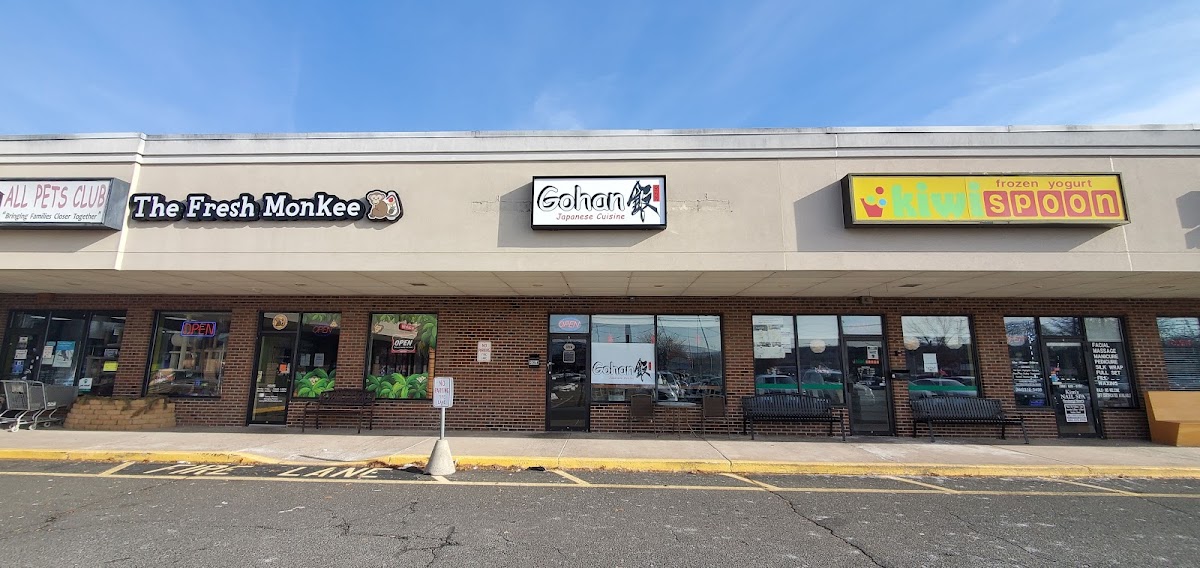
Walking into Gohan Japanese Cuisine for the first time felt less like visiting a restaurant and more like stepping into a familiar neighborhood spot that already knew what it was doing. Located at 405 Queen St, Southington, CT 06489, United States, this diner-style Japanese restaurant balances comfort with technique in a way that’s hard to fake. I’ve eaten Japanese food across Connecticut, from grab-and-go sushi counters to upscale omakase rooms, and this place lands confidently in the middle, where consistency and care matter most.
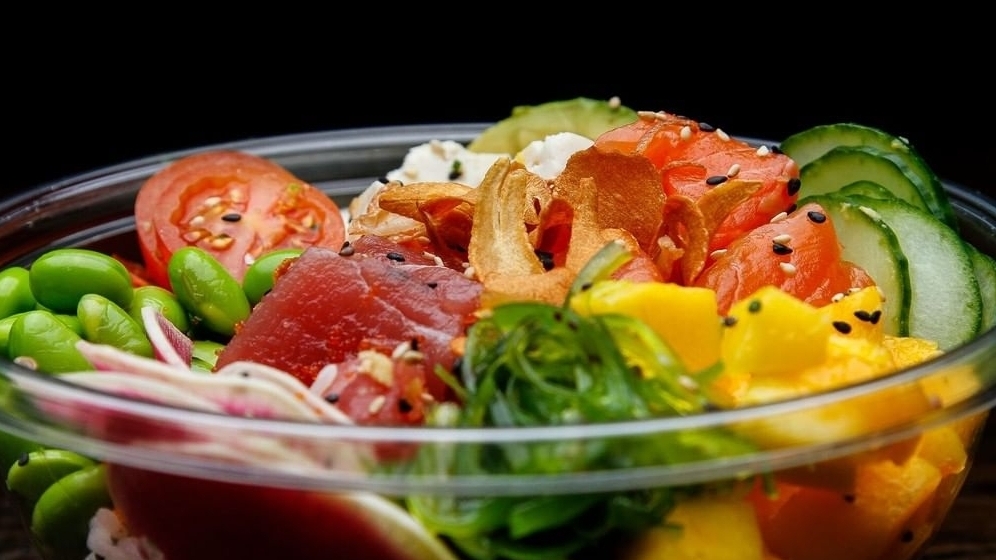
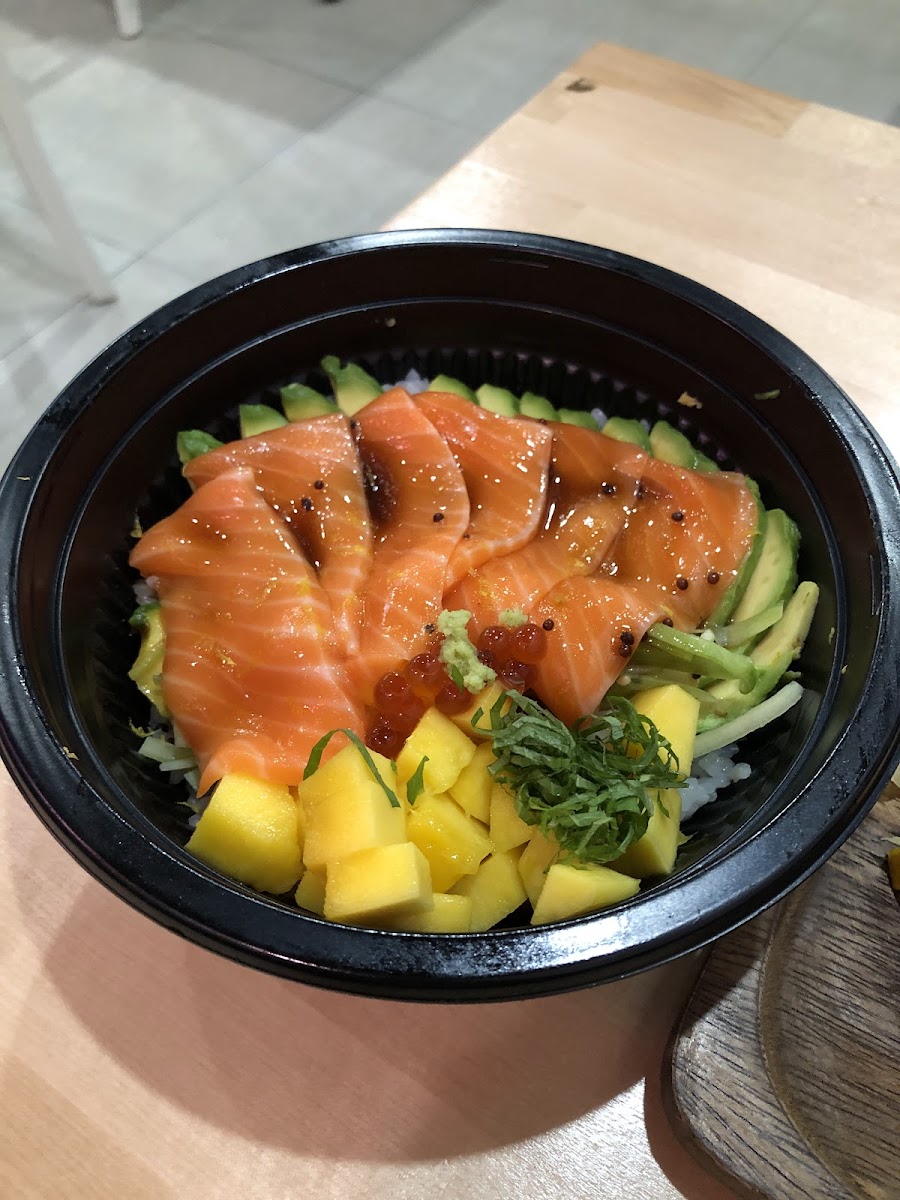
The menu reads like a greatest-hits list of Japanese comfort food, but the execution tells a deeper story. Bowls of rice arrive properly steamed, glossy without being wet, which is harder to get right than most people realize. According to research published by the Japanese Food Research Laboratories, precise water-to-rice ratios and resting time after cooking are critical for texture, and you can taste that discipline here. Their donburi bowls are layered thoughtfully, not drowned in sauce, letting each ingredient keep its identity. I ordered a chicken teriyaki bowl on one visit and noticed the sauce was brushed on during grilling rather than poured at the end, a small process detail that prevents sogginess and keeps flavors balanced.
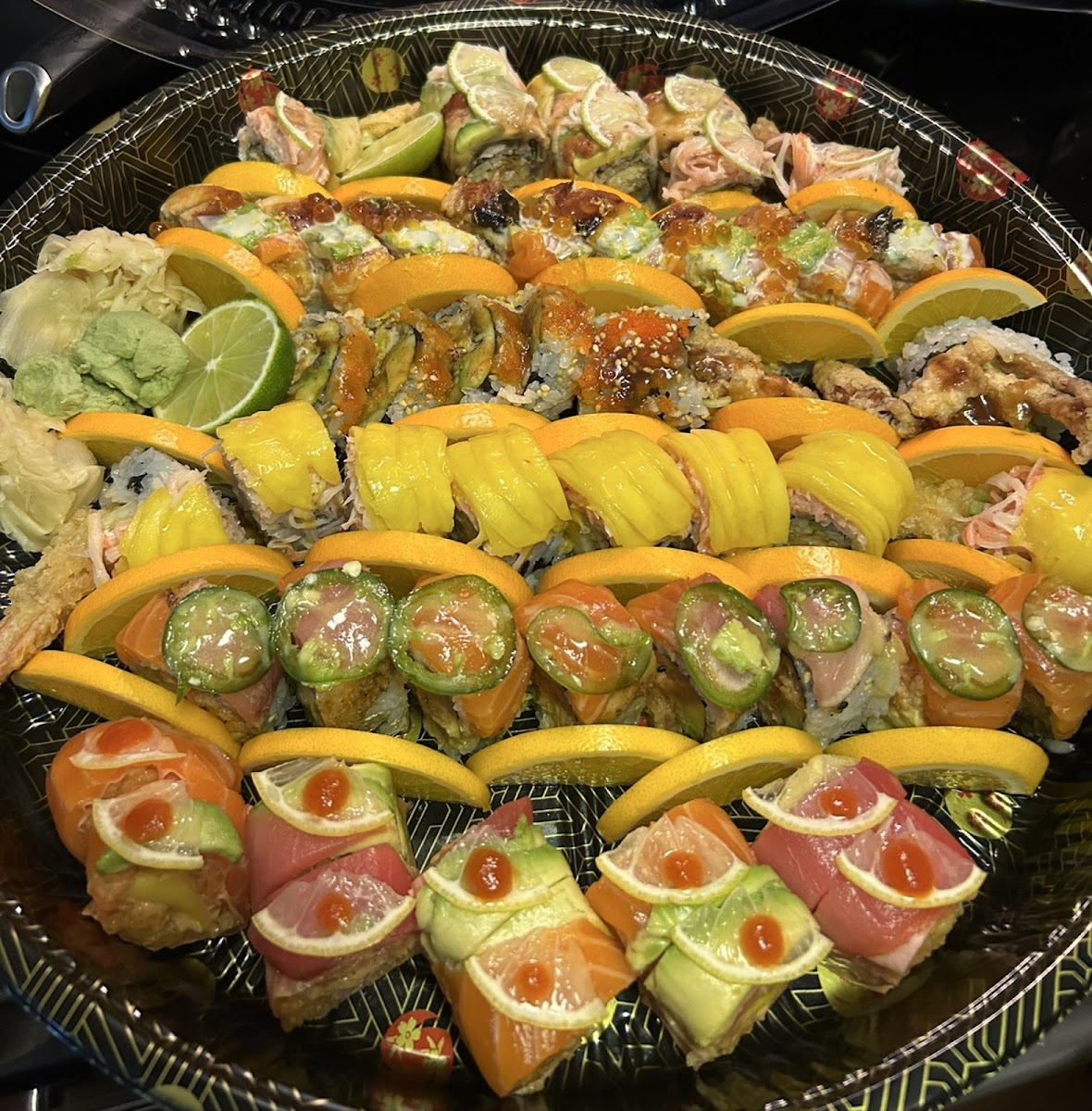
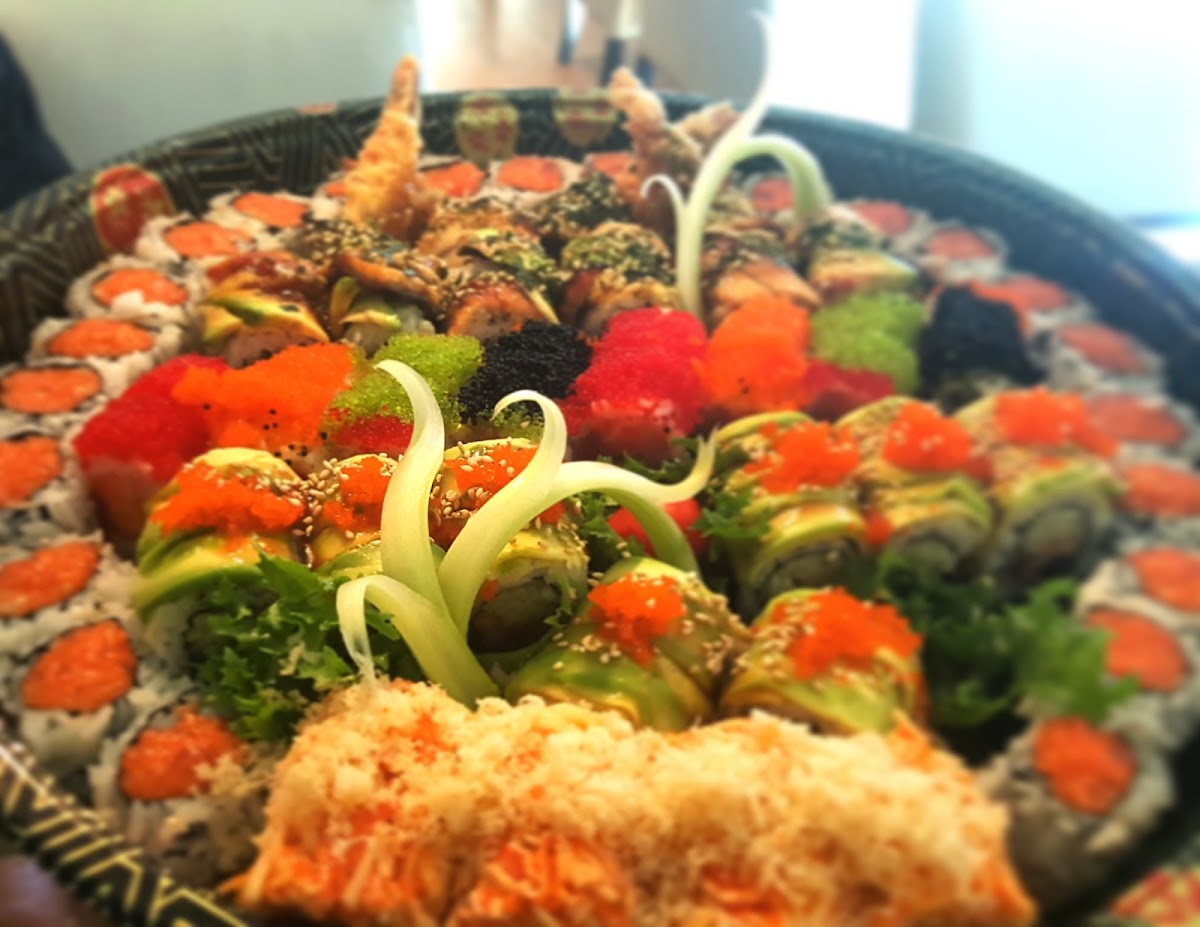
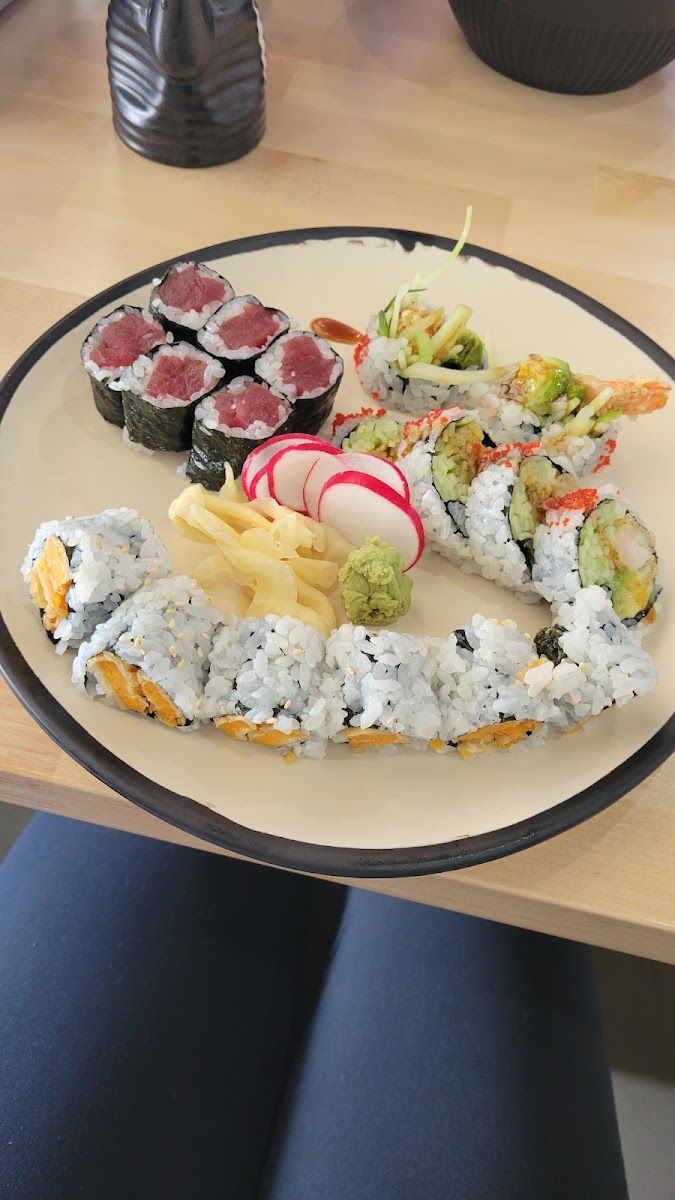
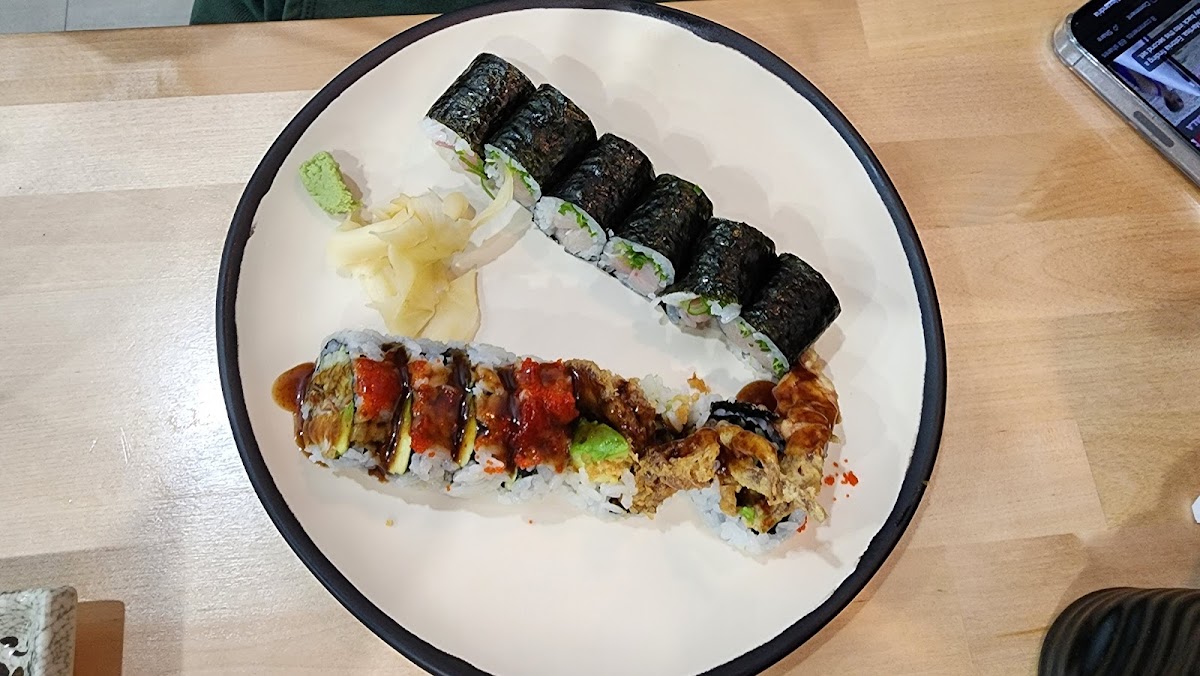
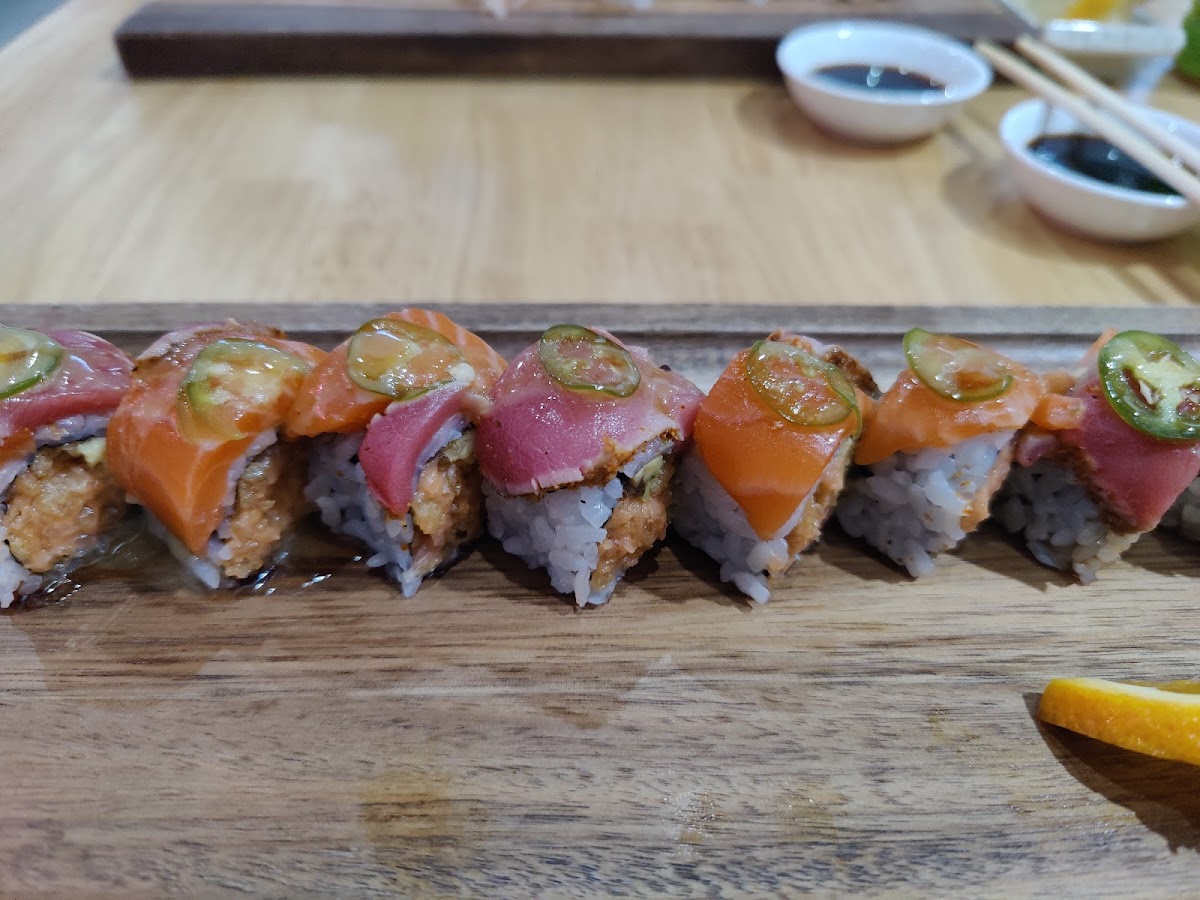
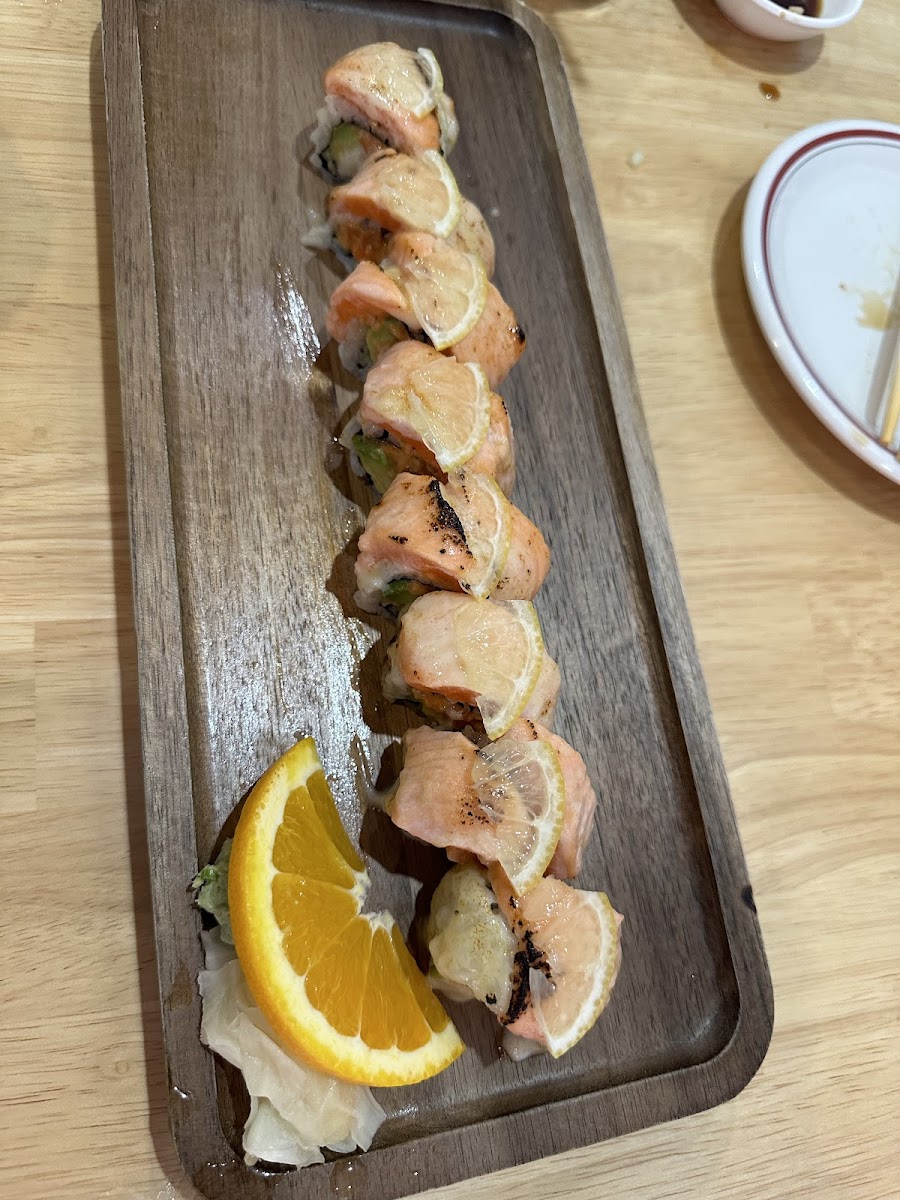
Sushi is where many diners form their opinions, and reviews around town often highlight freshness as a deciding factor. From my experience, the fish here is clean-cut and properly chilled, with no off smells or mushy textures. That aligns with FDA seafood handling guidelines, which stress temperature control from delivery to service. The salmon nigiri I tried had that subtle buttery resistance you only get when fish is sliced against the grain by someone who knows what they’re doing. It’s not flashy sushi, but it’s honest, and that earns trust fast.
One thing that stands out is how the kitchen handles volume. During a busy weekday dinner, I watched orders stack up without quality slipping. That usually points to solid prep systems behind the scenes, like batching broths daily and portioning proteins ahead of service. Culinary educators from organizations like the Culinary Institute of America often emphasize repeatable processes as the backbone of reliable restaurants, and you can see that philosophy in action here. Even takeout orders, which I tested on a separate visit, traveled well and stayed intact, something many places still struggle with.
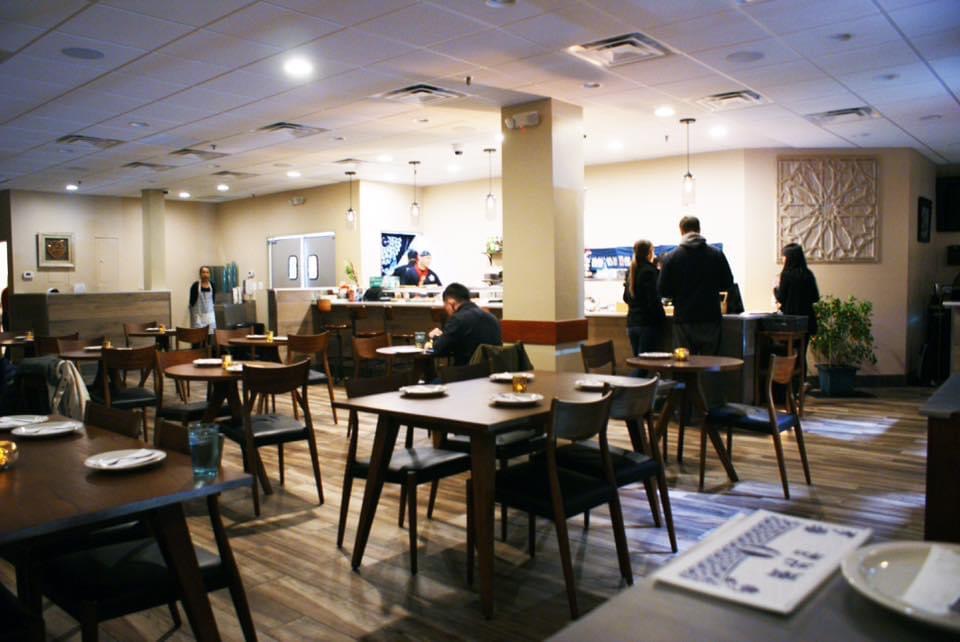
The atmosphere matches the food: casual, unfussy, and welcoming. Families, solo diners, and couples all seem comfortable sharing the space, which says a lot about a restaurant’s role in its location. Staff interactions are relaxed but informed; when I asked about a ramen base, the server explained the difference between pork and chicken stock in plain terms, not rehearsed sales talk. That kind of clarity builds credibility, especially for diners still learning Japanese cuisine beyond sushi rolls.
There are limitations worth noting. This isn’t the spot for experimental plating or rare seasonal fish flown in overnight, and that’s okay. The focus here is everyday Japanese food done well, served consistently, and priced reasonably for the area. Data from the National Restaurant Association shows most diners value reliability over novelty, especially for neighborhood restaurants, and this place clearly understands its audience.
If you’re scanning local locations for Japanese food that delivers steady quality without pretense, the steady stream of positive reviews makes sense. The menu choices, cooking methods, and service style all work together, creating a dining experience that feels dependable in the best way.